
Case study
Essential tips for creating a winning sports club website
In today’s digital world, your sports club’s website is often the first impression potential members, sponsors, and fans will get of your organization. Whether you’re managing a youth soccer league, a community volleyball team, or a regional swim club, having a professional and user-friendly website is essential for growth, engagement, and communication.
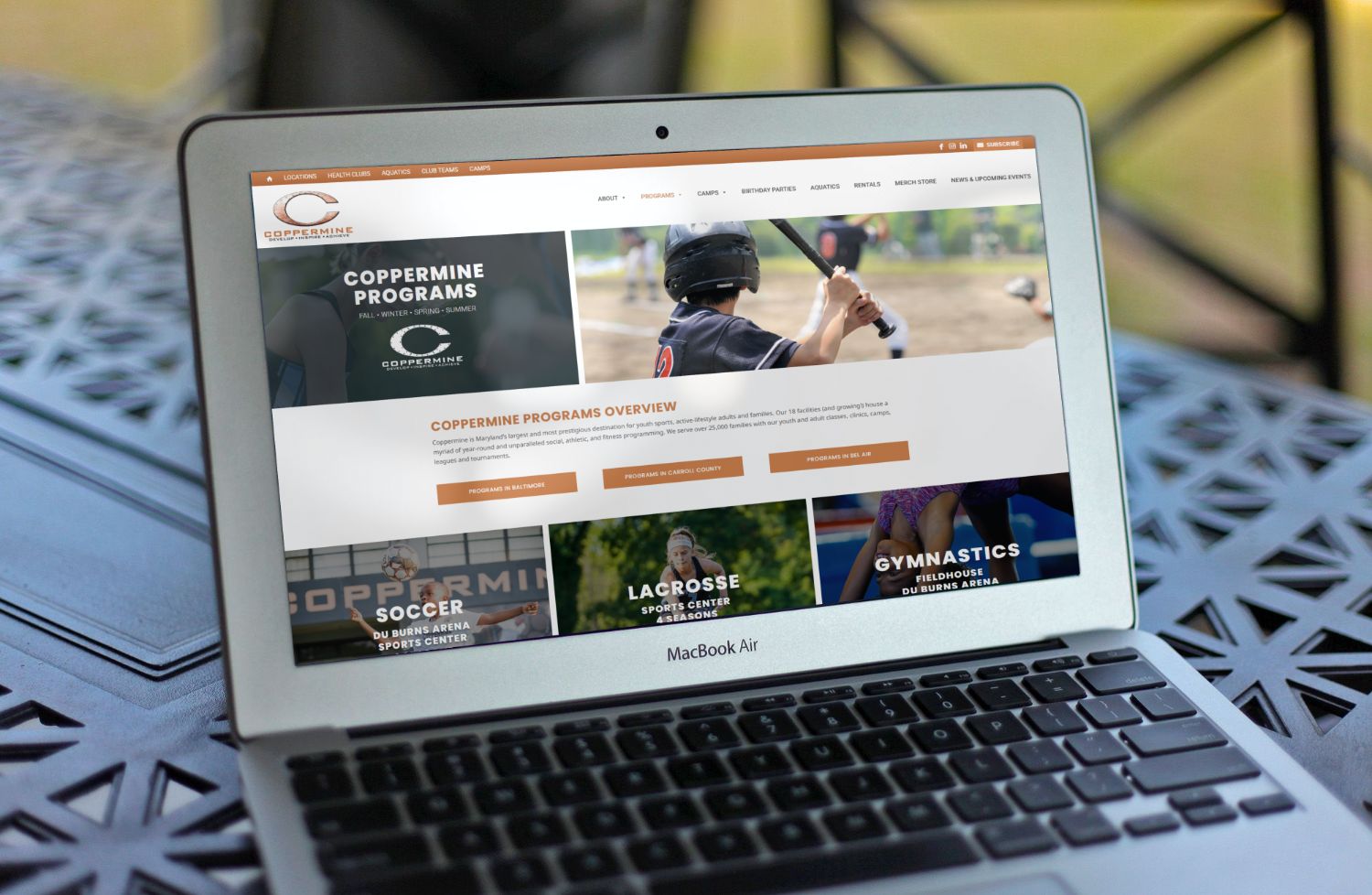
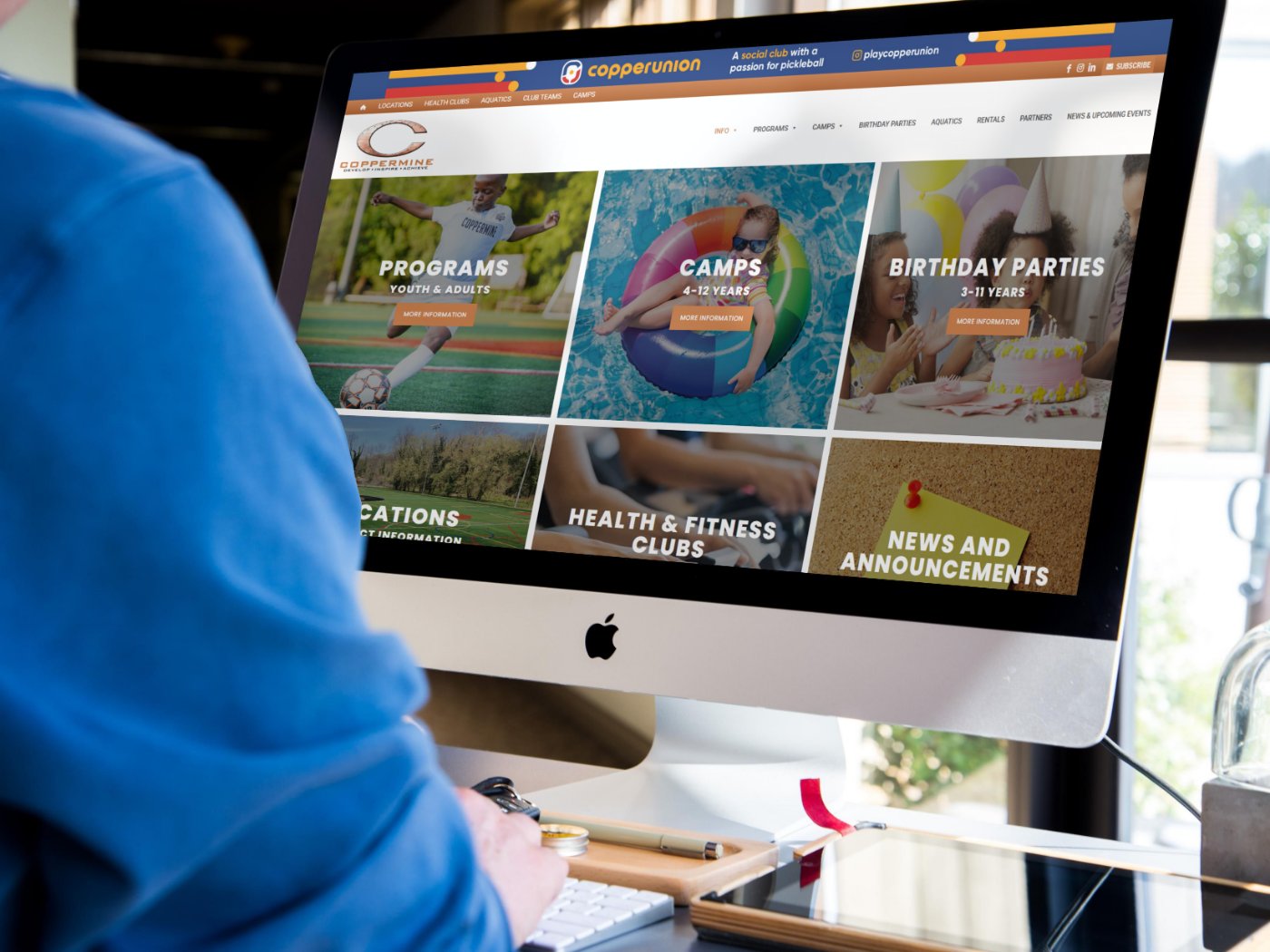
Web Interactive Technologies worked with Coppermine Fieldhouse, a sports club organization with over 20 locations in the region, to design and build an effective website that not only looks great but also works hard for their club and attracts new members.
How to Create a Great Sports Club Website: A Complete Guide
In today’s digital-first world, your sports club’s website is more than just an online bulletin board—it’s your brand hub, recruitment engine, and community gathering place. Whether you run a football academy, a tennis club, or a multisport association, a well-designed website will help you attract new members, keep existing ones engaged, and build long-term trust.
If you’re getting ready to create (or redesign) your sports club website, this step-by-step guide will help you understand what it takes to achieve a site that’s professional, functional, and easy to maintain.
1. Define Your Website’s Core Goals
Before touching a layout or choosing a template, clarify what your website needs to achieve. Common goals include:
- Attracting new members
- Providing clear information about teams, programs, or classes
- Centralizing schedules and results
- Showcasing achievements and building credibility
- Streamlining communication with members and parents
- Simplifying registration and payments
Having clear goals helps you choose the right features and structure.
2. Choose a Platform That Fits Your Skill Level or Work with a Professional Agency
If you — as a business owner or operator — are skilled with web design, development, and some coding, you or your marketing team may choose to handle your website yourself. But this is rarely the case. There are many templated WordPress themes geared toward sports clubs and gyms, but they can be difficult to customize and manage if you don’t have the skills and expertise. WIX and Square Space are other popular options but many of our clients come to us with complaints of limited flexibility, difficulty achieving custom layouts, and overall usability issues.
Web Interactive Technologies builds completely custom WordPress sites – we never use templates that can’t be customized to your business needs. Plus, we make sure to build sites so they can be maintained by our clients or their marketing teams. We never hand you a finished product that requires knowledge of HTML or other code to update. On top of that, we offer training for clients to show them firsthand how to edit their site.
3. Make Navigation Simple and Organized
Visitors should immediately understand how to find information. A strong navigation menu typically includes:
- Home
- About the Club
- Teams / Programs
- Schedules & Results
- Membership / Registration
- News / Events
- Contact
Avoid clutter. If you have multiple teams or age groups, use dropdowns to keep things tidy. Coppermine Fieldhouse has many locations, programs, and services so Web Interactive Technologies helped them overcome the challenge of presenting all of these options in the navigation.

4. Highlight What Makes Your Club Unique
Your homepage is your first impression — use it wisely. Include:
- Strong hero image or video showing real athletes in action
- A clear value statement, e.g., “Building young athletes with passion and purpose since 1995”
- Quick links to popular pages (registration, schedule, join the club)
- Upcoming events or recent news
- Authenticity matters: use real photos when possible.
5. Create Strong Team or Program Pages
Each team or program deserves its own page with:
- Coach name and bio
- Training times & location
- Season goals or curriculum (especially for youth programs)
- Requirements (age, experience level, equipment)
- Registration link
Think of these pages as mini landing pages for recruitment.
6. Make Schedules & Results Easy to Find
This is often the #1 reason members visit your site. You can:
- Embed a public Google Calendar
- Use a sports-specific scheduling plugin
- Upload PDFs (not recommended — harder to update)
Bonus points for:
- Real-time league integration
- Filters by age group or team
- Mobile-friendly schedule views
7. Showcase Your Club Culture With Photos & Media
Sports are visual. A strong media section helps tell your story. Tips:
- Use high-quality images—avoid blurry smartphone galleries
- Organize photos by season or event
- Include sports photography with faces, action, and emotion
- Add a video highlights section if possible
This boosts engagement and encourages sharing.
8. Streamline Registration & Payments
If your club accepts online registrations:
- Use a secure, mobile-friendly registration form
- Allow online payment for memberships, kits, or events
- Automate confirmation emails
- Provide clear refund or cancellation policies
The fewer steps, the better.
9. Keep Communication Clear and Accessible
Every sports club website should include:
- Contact page with email, phone, map, and social links
- FAQ section addressing common questions
- Policies (safety, conduct, privacy, medical, photography permissions)
- A newsletter signup if you use email marketing
Clear communication reduces admin workload and improves member satisfaction.
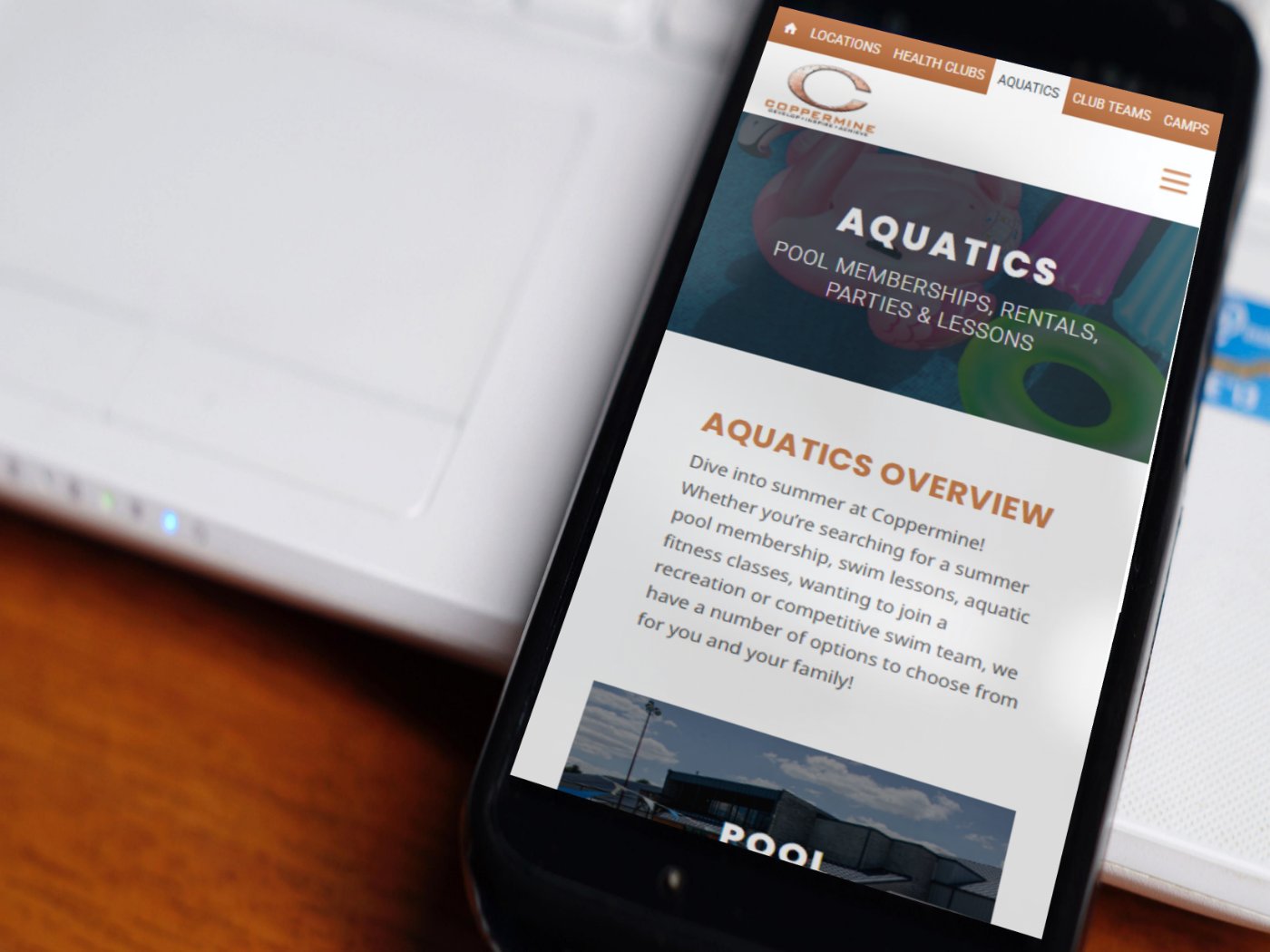
10. Make Your Website Mobile-Friendly
Over 60% of sports parents and athletes access club info on their phones. Make sure your site is:
- Responsive on all screen sizes
- Using large, readable fonts
- Avoiding heavy, slow images
- Easy to navigate with a thumb
Test on multiple devices before launching.
11. Keep Content Updated
A great design won’t help if the content is outdated. Create a routine:
- Update results weekly (or link to automatic feeds)
- Post monthly news or recaps
- Refresh registration information each season
- Archive old content to keep things clean
Assign one or two people as content managers to keep things consistent.
12. Add SEO Basics for Better Visibility
Help people find your club on Google:
- Use clear page titles: U14 Football Team | City Name Sports Club
- Add meta descriptions
- Use local keywords: “swimming club in [City]”
- Create Google Business and map listings
- Include structured data for events if possible
SEO doesn’t need to be complicated — but a little effort goes a long way.
Conclusion
A great sports club website doesn’t need to be flashy — it needs to be clear, welcoming, and easy to manage. Focus on what matters most: showcasing your club’s spirit and giving members the tools and information they need. When your site reflects your culture and values, everything else — from membership growth to community engagement — will follow naturally.
Contact Web Interactive Technologies today and we can help you make your vision for your club’s website a reality.
Get a free quote
Ready to get started? Contact us for a free quote and to learn more about how we can meet your web design, programming, SEO, branding, hosting and social media marketing needs.